Food Talk for Young A2 Learners
Watch a tutorial on how to run this activity with your class
Explore More Questions
Food Talk for Young A2 Learners
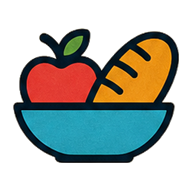
Ask any child what their favourite food is and you will get an answer. That is exactly why food works so brilliantly as a speaking topic for young A2 learners. These 50 questions invite children aged 7 to 9 to name foods they love, describe what they eat at school and home, and share what they would choose for a special dinner.
Vocabulary is deliciously concrete: words like 'chocolate', 'rice', 'fruit', 'vegetables', 'yummy', and 'disgusting' are paired with simple structures like 'I like...', 'I eat... every day', and 'my favourite food is...' that give A2 speakers reliable sentence patterns to fill with their own food opinions.
Why Every Child Can Talk About Food
Food has zero knowledge barrier. Children do not need to have read a book or visited a place to have strong opinions about pizza versus pasta. This makes food the perfect A2 topic because every child can participate fully, regardless of how much English they know about other subjects.
Setting Up Food Conversations With Young Kids
Pair children and give them two minutes per question. Visual support helps at this age, so consider displaying food pictures alongside the questions. YapYapGo handles the question selection and timing while you circulate and celebrate the conversations happening.