Blog
Teaching tips, speaking practice ideas, and updates from the YapYapGo team.

The 70/30 Rule: Balancing Game Time and Speaking Time in ESL
A simple session-design rule that keeps gamified ESL lessons from drifting into screen-watching: 70 percent speaking, 30 percent game layer.

Baamboozle for ESL: What It Gets Right, What It Misses
An honest teacher review of Baamboozle for ESL classrooms: the device-free design is genuinely brilliant, but only one student per turn actually speaks.

Is Gamification Good for ESL Speaking? The Case for Doing It Right
What the research actually says about gamification in language learning, and why most gamified ESL tools still fail at building speaking.

The Hidden Cost of Game Over Tools: When Fun Beats Learning in ESL
The hidden cost of quiz-game ESL tools is time. Why a 25-minute Kahoot produces 2 minutes of English where YapYapGo produces 300+.

Introducing Fun Mode: Bubble Blast and Fun Run for ESL Speaking
Two new team-competition overlays that run alongside ESL speaking practice. Bubble Blast scores in real time. Fun Run sends 3D runners along a track.

Kahoot Fatigue: Why ESL Teachers Are Quietly Looking for Alternatives
Kahoot fatigue is real in ESL classrooms. Why the dopamine cycle dulls, what teachers say in private, and what's replacing it.

Digital Tools for Classroom Speaking Practice: Beyond Kahoot and Quizlet
Kahoot is great for quiz games. It doesn't help students speak. Here's what does.

How Technology Solves the Biggest Problems in ESL Speaking Classes
ESL speaking classes have four persistent problems that technology is uniquely positioned to fix. Here's what each problem is and what actually helps.
Why Classroom Pair Practice Still Beats AI Chatbots for Building Real Fluency
AI speaking tools are impressive. But the research on what builds fluency points consistently to something they can't replicate.

ESL Speaking Activities for Teenagers: 20 Ideas They Won't Roll Their Eyes At
Teenagers are the hardest audience in ESL. These activities are designed specifically for what actually motivates them.

Best Apps and Tools for ESL Speaking Practice in 2026
An honest look at what's out there — and the gap no one has filled until now.

What the Big Five Quiz Tools Share (And Why ESL Needs Something Else)
Kahoot, Baamboozle, Wayground, Blooket, and Gimkit share the same DNA. None were built for ESL speaking. The category gap is structural.

The ESL EdTech Audit: How to Tell If Your Tools Actually Build Speaking
A seven-point audit for every tool in your ESL EdTech stack. Score each one and you'll see which ones build speaking and which ones just feel like they do.

Why ESL Teachers Need Speaking Tools, Not More Quiz Tools
Decades of ESL EdTech has been quiz tools. The category that's actually needed - classroom speaking practice tools - has only just started existing.

Why Your Best Students Still Ask for Real Conversation Partners
Students with unlimited AI access still ask for human partners. The reasons say something about motivation and what fluency really requires.

Why Most Gamified ESL Tools Fail at Language Learning
Kahoot, Blooket, and Gimkit feel like ESL tools but fail the only test that matters: a student can win them without producing a word of English.

Why the Best Speaking Activities Are Often the Simplest
The research on what drives speaking development points consistently toward one answer: volume of practice. And volume favours simple.

Low-Prep Speaking Activities for the Overworked ESL Teacher
When you're teaching 25 hours a week, every minute of prep time counts. These activities respect that.
Reducing Teacher Talking Time: How to Make Your Classroom Student-Centred
You're probably talking for 70% of the lesson. Here's how to flip that ratio - and why it matters.

How AI Is Changing ESL Speaking Practice (and What It Can't Replace)
AI tools are transforming lesson planning — but the classroom still needs something they can't provide.

Timed Speaking Activities That Build Fluency Under Pressure
Why a countdown timer is one of the most powerful fluency tools in your classroom.

Your Students Aren't Speaking Enough
The research on student speaking time is sobering - but the fix is simpler than you think.

Blooket for ESL Classrooms: The Engagement-Learning Trade-Off
Blooket nails engagement for ESL students but produces almost no spoken English. A breakdown of the trade-off and where it makes sense.
A Gamified ESL Lesson Plan: 60 Minutes with Fun Mode
A minute-by-minute 60-minute ESL speaking lesson plan that hits the 70/30 speaking-to-game ratio using YapYapGo Fun Mode.

Why Learning a Language Is a Team Sport (Not a Solo Game)
You can study a language alone but you cannot acquire it alone. Why solo apps and AI tutors miss the social engine that drives fluency.
Wayground (Formerly Quizizz): What the Rebrand Means for ESL
Quizizz is now Wayground. What changes, what doesn't, and why the rebrand doesn't move the needle for ESL speaking practice.
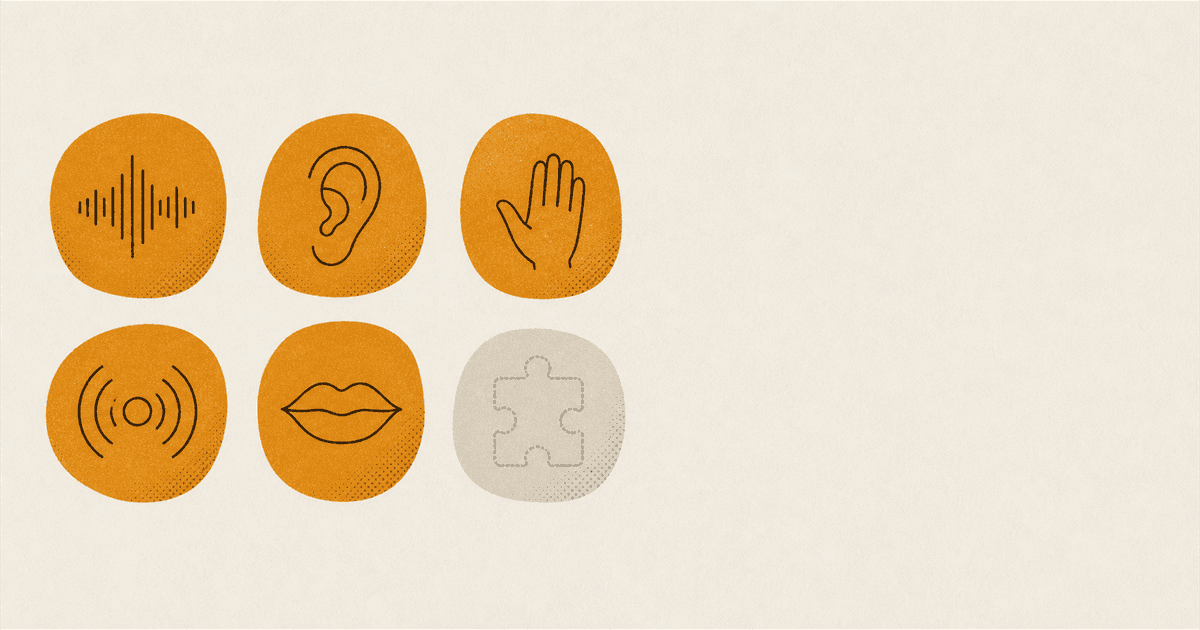
What Speaking English Actually Means (And Why AI Misses Half of It)
Speaking English is six skills, not one. Production, comprehension, repair, register, nonverbal cues, intercultural sense. AI handles one.

Why AI Chatbots Are Great for Solo Practice but Fail in the Classroom
AI conversation tools are genuinely useful for homework. They're not useful as classroom teaching tools. Here's the distinction that matters.
Communicative Language Teaching in 2026: What's Changed and What Still Works
CLT has been the dominant framework in ELT for 40 years. Here's an honest look at what it gets right - and where it needs updating.

ESL Speaking Assessment: Rubrics, Tests, and Practical Evaluation Ideas
Assessing speaking is the hardest skill to evaluate fairly. Here's a practical framework that actually works in real classrooms.

Foreign Language Anxiety: What It Is and How Speaking Practice Reduces It
About a third of ESL learners experience anxiety that impairs speaking. The research tells us why - and what helps.
Peer Assessment for Speaking: How Students Can Evaluate Each Other Effectively
Peer assessment in speaking classes does more than save marking time. Done right, it builds better speakers.
IELTS Speaking Part 3: 100 Discussion Questions Organized by Theme
The part most students dread — and the one where classroom practice makes the biggest difference.

25 Zero-Prep ESL Speaking Activities You Can Use Tomorrow
No photocopies, no materials, no planning. Just walk in and get students talking.
Running a Full IELTS Speaking Mock Test in a Class of 30
How to simulate real exam conditions for a whole class without needing one-to-one time with every student.

IELTS Speaking Part 2 Topics 2026: The Complete Cue Card List
Every Part 2 topic category you need to prepare for, plus how to practise them all in class.
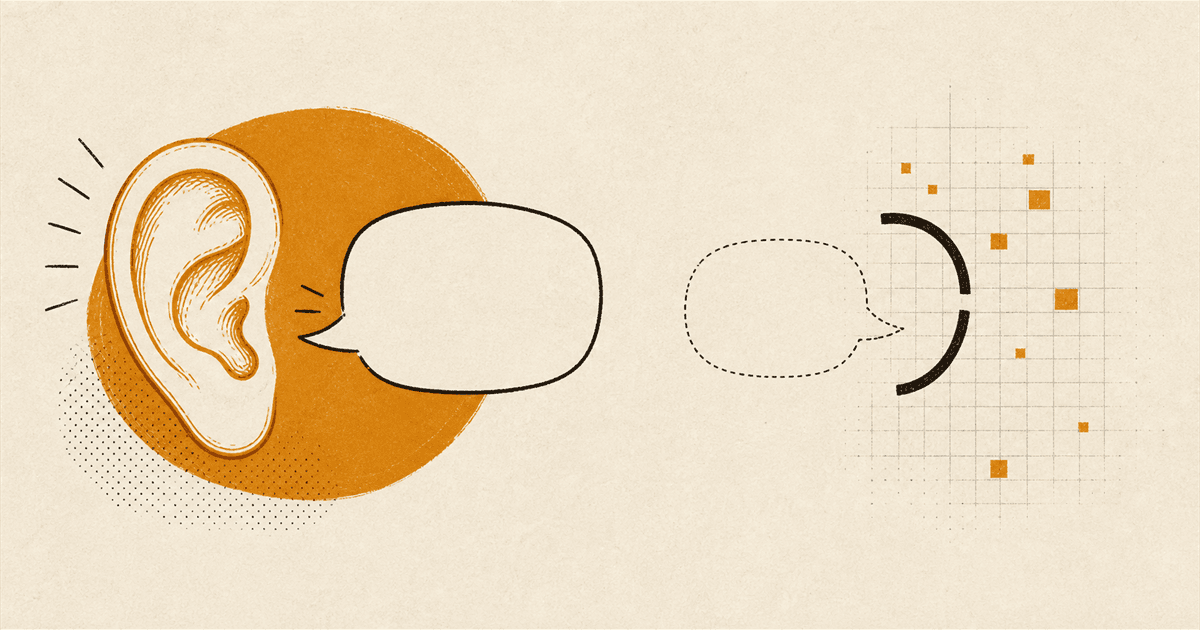
AI Can Speak, But It Can't Listen the Way a Classmate Can
Conversation is half listening. AI tutors parse tokens; classmates listen for confusion, hesitation, and meaning - the listening that drives acquisition.

The Predictability Trap: Why AI Conversations Don't Build Real Fluency
AI conversations are too predictable. Real fluency is the skill of handling the unexpected, and only real conversation trains it.

Why ESL Students Need More Accents Than an AI Can Offer
AI voice tools flatten English to a standard register. Real classrooms model accents AI doesn't, and that's the listening exposure students actually need.
Gimkit in the ESL Classroom: Why Students Stop Reading the Questions
Gimkit's economy mechanic teaches students to spam answers to return to the minigame faster. For ESL classes, it's the worst possible failure mode.
Slang, Idioms, and Why Real Conversation Beats AI Practice
AI tutors lag months or years behind real spoken English. Classmates trade live slang and idioms that LLMs deliberately neutralise. Here's why it matters.

Team Competition and Willingness to Communicate: The ESL Research
What the Willingness to Communicate research says about quiet ESL students, and why team-based gamification gets them speaking where solo practice can't.

Building a Speaking-Centred Curriculum: A Framework for Programme Design
Most language programmes are grammar-centred with speaking activities added in. Here's how to build a curriculum where speaking is the spine.

ChatGPT Prompts for ESL Speaking Activities: 30 Ready-to-Use Templates
AI can generate speaking activity materials faster than any teacher can write them. Here are 30 prompts that actually work.

Formative Assessment of Speaking: Quick Techniques That Don't Disrupt Class Flow
Assessing speaking formatively means gathering information during lessons without turning every activity into a test.

From Whisper to Confidence: Building Speaking Skills in Introverted Learners
Introverted students don't need to become extroverts. They need speaking conditions designed for how they actually process and communicate.

Inclusive Speaking Activities for Neurodivergent ESL Learners
Neurodivergent learners have specific challenges in speaking classes that standard accommodations often miss. Here's a more targeted approach.
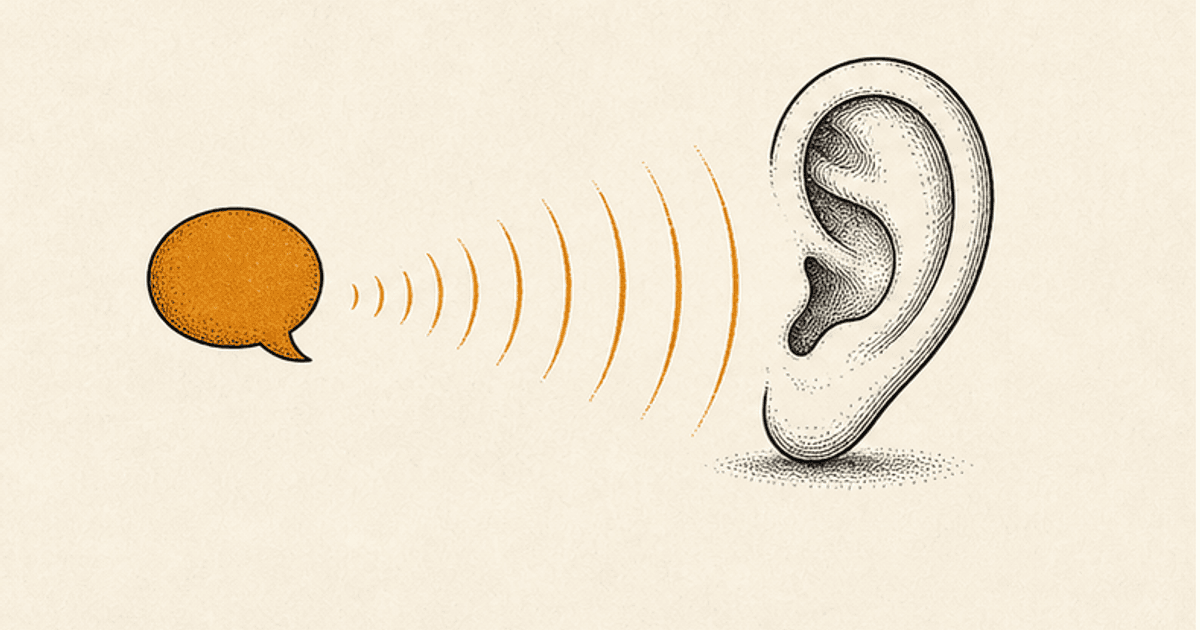
Pronunciation Teaching in 2026: Intelligibility vs Native-Speaker Norms
The goal of pronunciation teaching has shifted. Here's what the research now supports - and what to stop spending time on.

Student Agency in Speaking Practice: Letting Learners Choose How They Talk
When students have some control over their speaking practice, motivation and output both increase. Here's how to build agency without losing structure.

The Teacher's Guide to Using AI for Speaking Lesson Planning
AI can cut lesson planning time significantly. Here's exactly how to use it for speaking activities without compromising quality.
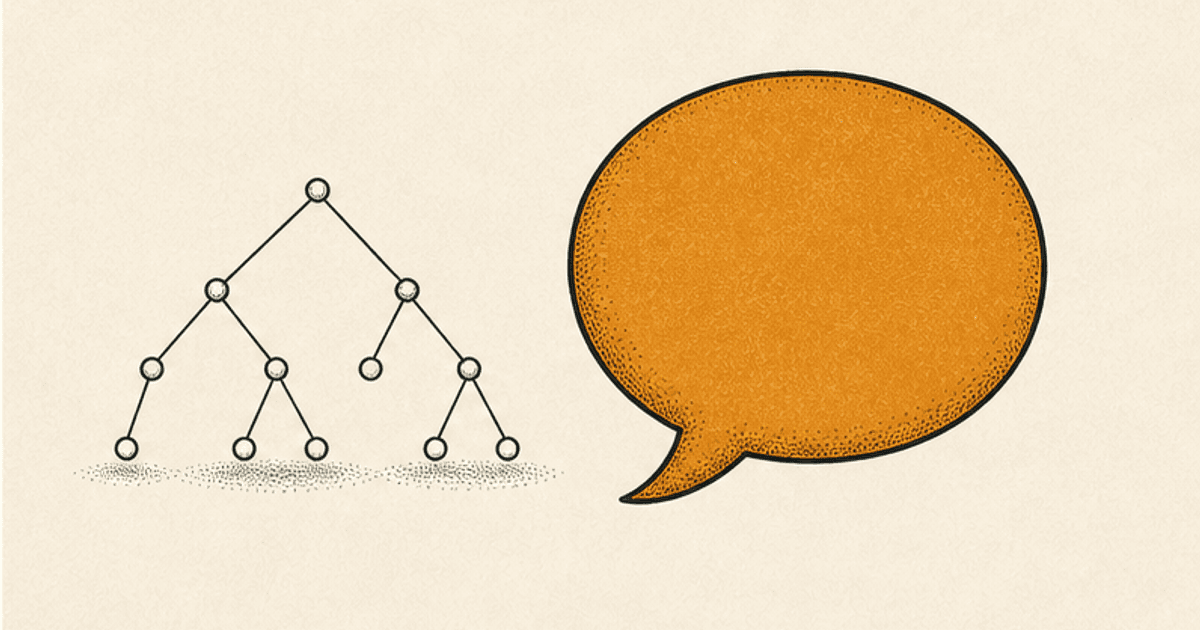
The Case for More Speaking Practice (and Less Grammar Instruction) in ESL Classes
Most ESL syllabuses allocate more time to grammar instruction than the research supports. Here's why - and what to do instead.

Translanguaging in Speaking Activities: When and How to Allow L1 Use
The 'English only' rule in ESL speaking activities is well-intentioned but not always pedagogically sound. Here's a more nuanced position.

The Wellbeing Connection: How Low-Pressure Speaking Practice Reduces Burnout
High-stakes speaking activities are stressful for students and exhausting for teachers. Here's why lower-pressure formats benefit everyone.

What ELT Research Says About the Best Way to Improve Speaking Skills
Decades of research into speaking development point to a consistent set of findings. Here's what they are and what they mean for your classroom.
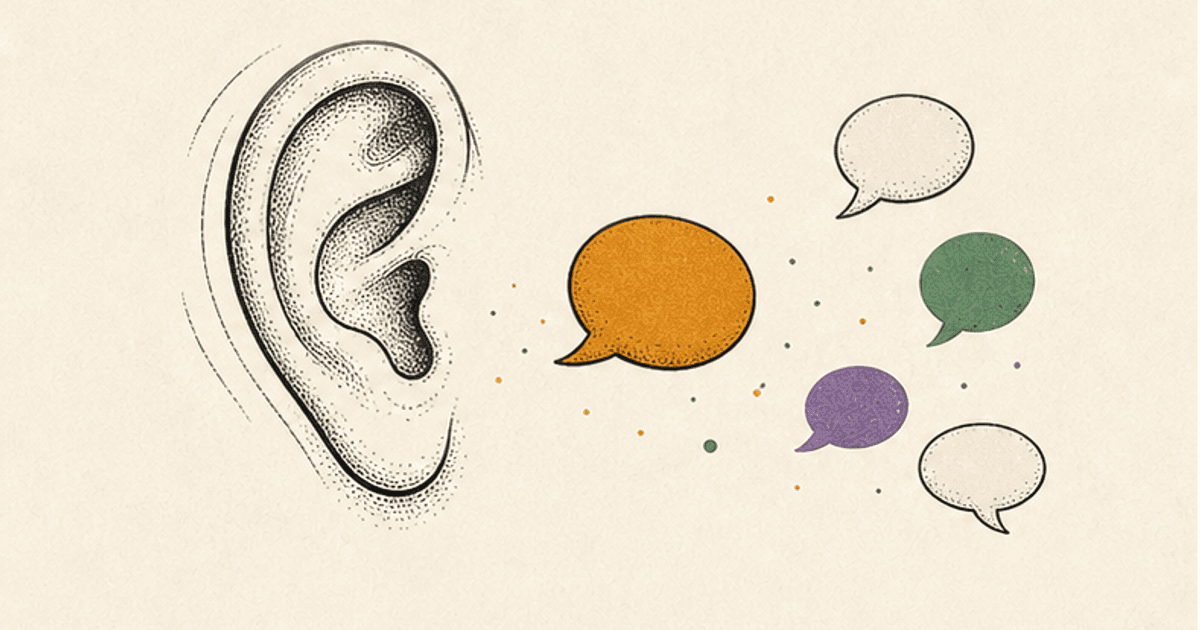
What to Listen For: A Teacher's Checklist for Monitoring Speaking Activities
Circulating during pair work is only useful if you know what you're listening for. Here's a practical checklist across five dimensions.

Why Some Students Refuse to Speak English (and What to Do About It)
Refusal to speak is rarely wilful. Understanding the real reasons is the starting point for actually changing the situation.

CEFR Levels Explained: Choosing the Right Speaking Activities for A2 to C1
What A2, B1, B2, and C1 actually mean in practice - and which speaking activities work at each level.

How to Challenge Advanced Speakers Without Leaving Beginners Behind
The multi-level classroom paradox: one activity can't be too easy and too hard at the same time. Or can it?

Fluency vs. Accuracy: When to Correct and When to Let Students Talk
One of the oldest debates in language teaching - and the research has a surprisingly clear answer.

How to Measure Fluency Progress in Your ESL Students
Fluency is not just 'speaking smoothly.' Here's how researchers measure it - and what teachers can realistically track.
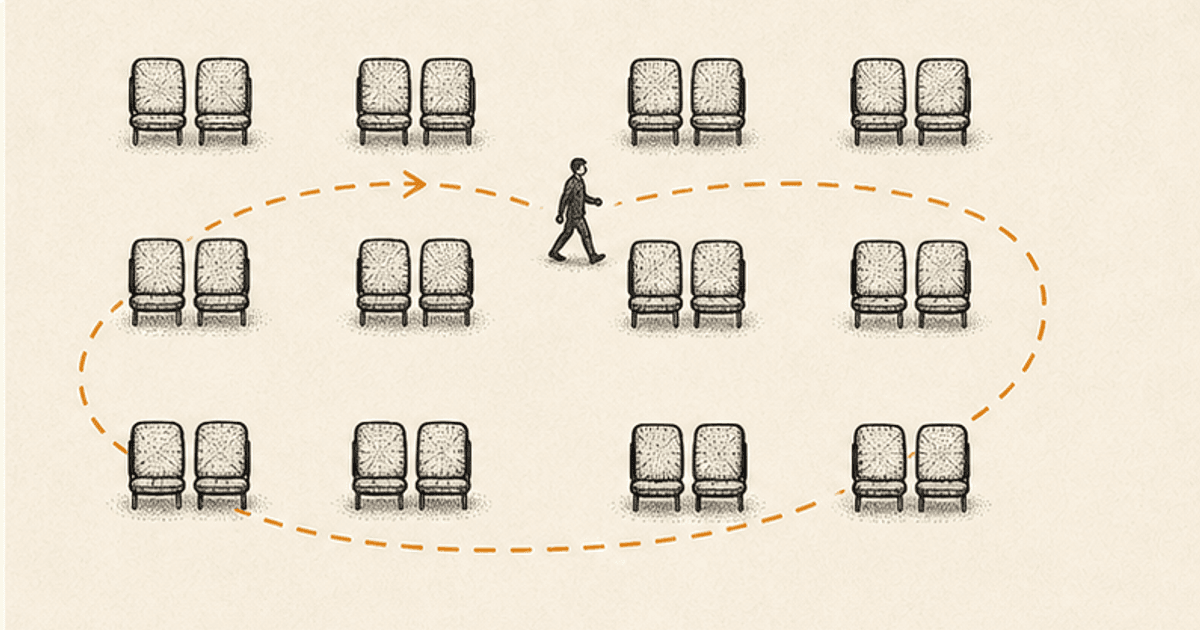
How to Monitor Speaking in a Class of 30 Without Losing Your Mind
When 15 pairs are all talking at once, what are you actually supposed to do? Here's a practical system.

No Materials, No Problem: Speaking Activities That Need Nothing but Students
The most effective speaking activities often need nothing at all. Here's why - and 15 to prove it.

Stretch Pairing vs. Matched Pairing: When to Mix Levels and When to Match Them
The research on pairing stronger and weaker students together is more nuanced than you'd think.
Task-Based Language Teaching for Speaking: Activities That Create Real Communication
TBLT is the most research-supported approach to developing speaking skills. Here's what it actually looks like in a speaking class.

How to Help Students Score Band 7 in IELTS Speaking
What the band descriptors actually mean - and the classroom practice that gets students there.

Speaking Activities That Work in Mixed-Level ESL Classrooms
How to keep A2 students challenged and C1 students engaged — in the same lesson.
5-Minute Speaking Warm-Ups That Require Absolutely No Preparation
Twenty warm-ups you can start with today — no materials, no planning, just instant speaking practice.

IELTS Speaking Part 1 Questions by Topic: 120+ Practice Questions
Every Part 1 topic you need to prepare for, organised by theme with teaching tips.

The Silent Student Problem: Practical Strategies That Actually Work
When students won't speak, it's not defiance — it's a signal. Here's how to read it and respond.

The Ultimate Guide to ESL Pair Work: Activities, Strategies, and Management Tips
Everything you need to run effective pair work — from pairing strategies to troubleshooting common problems.

How to Run a Full Conversation Class with Zero Preparation
A complete lesson format that works every time — no photocopies, no planning, no stress.

The Emergency ESL Lesson Plan: 10 Speaking Activities When You Have Zero Prep Time
For the days when life happens and you need a lesson that works in five minutes flat.

Future-Proofing the ESL Classroom in the Age of AI Tutors
Will AI replace ESL teachers? Probably not. What will change is which parts of the job AI takes over, and which parts become more valuable.

ESL Speaking Activities for Young Learners (Ages 6-12): Games That Build Real Language
Young learners don't respond to 'discuss this topic.' They respond to games with clear rules, physical movement, and genuine fun.

Speaking Activities for Online ESL Classes: What Works on Zoom and What Doesn't
Online speaking classes have specific constraints that make some activities better and others worse. Here's what actually works.

10 Low-Stakes Speaking Activities That Even Your Quietest Students Will Do
Low-stakes doesn't mean low-quality. These activities produce real language practice while keeping the social risk minimal.

10 Activities That Develop Fluency (Not Just Accuracy) in ESL Students
Fluency and accuracy require different practice. Here are 10 activities designed specifically to build automaticity in spoken English.

AI-Generated Discussion Questions: Better Than Your Question Bank?
AI can generate discussion questions faster than any teacher. But are AI-generated questions actually better? An honest comparison.

Cambridge B2 First (FCE) Speaking Practice: Classroom Activities for Every Part
The FCE speaking test has four distinct parts. Here's how to practise each one in a class of 20 or more.

How to Create a Safe Space for Speaking Practice in Your ESL Classroom
Safety in a language classroom means removing threats that prevent students from taking the risks learning requires.

Exam Speaking Practice vs General Speaking Practice: What's Different
Preparing for a speaking exam requires different practice from building general communicative competence. Here's what to adjust and when.
Find Someone Who: Adaptations and Variations for Every ESL Level
One of the most adaptable speaking activities in ELT. Here's how to get the most out of it at every level.

How Global Englishes Changes What We Teach in Speaking Class
English is no longer 'owned' by native speakers. Here's what that means for how we teach speaking - and what we still get wrong.

How to Teach Speaking Skills: A Practical Guide for New ESL Teachers
Speaking is the skill new teachers find hardest to teach well. This guide covers everything you actually need to know.

How to Simulate Real IELTS Test Conditions in Your Classroom
Students who have never practised in realistic IELTS conditions often underperform regardless of their actual level.
Managing Chaos: How to Run Effective Pair Work with 40 Students
40 students speaking simultaneously sounds unmanageable. With the right systems, it's actually easier than 40 students waiting their turn.

Open Pairs vs Closed Pairs in ESL: When to Use Each Format
Open pairs and closed pairs feel similar but produce very different speaking practice. Here's how to choose between them.
18 Pair Work Speaking Activities That Maximise Student Talking Time
18 pair work formats, each designed to produce the most speaking per minute from every student in the room.

Teaching Students to Ask Better Questions: A Neglected Speaking Skill
ESL classes spend enormous effort on speaking. Very little goes into the other half of conversation: asking questions well.

The Zero-Prep Speaking Toolkit: Activities Organised by Class Length
When you have 10, 20, or 45 minutes of unexpected speaking time, you need activities that start immediately. Here's your toolkit.

The 1-Minute Talk Challenge: Building Confidence Through Timed Speaking
One minute. One topic. No stopping. The simplest fluency drill that works at every level.

20 ESL Warm-Up Activities That Get Students Speaking in the First 5 Minutes
The first five minutes set the tone for everything. These warm-ups get voices working fast.

Classroom Seating Arrangements That Make Speaking Activities Work
The arrangement of chairs in your classroom is a pedagogical decision. Here's how to arrange them for maximum speaking practice.

How to Use Countdown Timers to Boost ESL Speaking Fluency
A visible classroom timer does more than mark time. Used correctly, it's one of the most effective fluency tools you have.

ESL Role Play Activities: 20 Scenarios Students Actually Want to Act Out
Role play gets a bad reputation because most scenarios are boring. These ones aren't.

What to Do When Some Pairs Finish Early: Fast Finisher Strategies for Speaking
Fast pairs who finish early and wait in silence are a waste of your best students' time. Here are ten things they can do instead.

Four Corners Debate Activity: Getting Students Moving and Speaking
One of the few speaking activities that gets students out of their chairs. Here's how to run it properly.

Getting-to-Know-You Activities for New ESL Classes
The first lesson with a new class sets the tone for everything. These activities build community fast.

How to Run a Classroom Debate with ESL Students: A Step-by-Step Guide
Debates produce more complex spoken language than almost any other activity. Here's how to run them properly.

How to Structure a Conversation Class That Doesn't Devolve into Chaos
Too much freedom kills conversation classes. Here's the structure that gives students enough to talk without turning it into a teacher-led lesson.

Ice Breakers for ESL Class: 15 Activities for the First Day and Beyond
First lessons are high-stakes for anxious students. These ice breakers lower the temperature fast.

Information Gap Activities: 15 Pair Work Ideas That Force Real Communication
When one student has something the other needs, real communication happens. Here's how to design it.

Noise Management During Speaking Activities: Practical Tips for Big Classes
Simultaneous pair work is loud. Here's how to manage volume without killing the energy.

Quick ESL Filler Activities That Actually Build Speaking Skills
You have five minutes to fill. Here's how to fill it with something that actually helps your students.
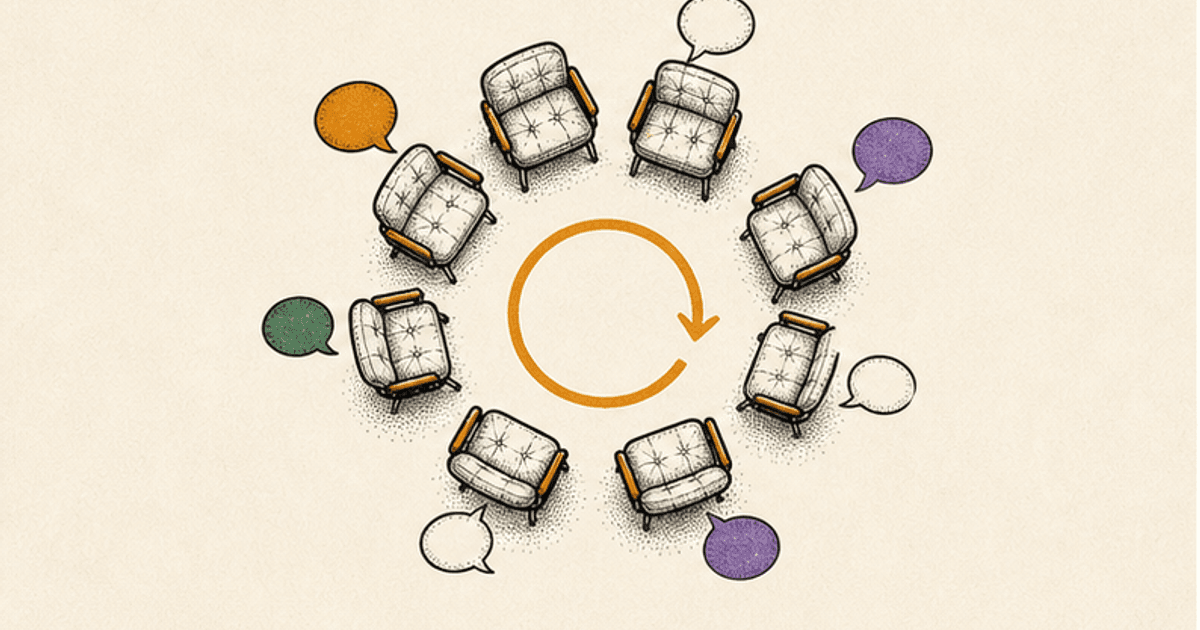
How Rotating Partners Keeps Speaking Activities Fresh and Inclusive
Students who work with the same partner every lesson stop pushing each other. Rotation fixes this.

Speaking Activities for A2 Elementary Students: Keeping It Simple but Real
A2 students can communicate more than teachers often give them credit for. Here's how to unlock it.

Speaking Activities for C1 Advanced Learners Who Need More Than Small Talk
C1 students are not satisfied by standard discussion questions. Here's what actually challenges them.

The 4/3/2 Technique: The Research-Backed Fluency Activity Every Teacher Should Know
One technique. Three repetitions. Measurable fluency gains. Here's how it works and why.
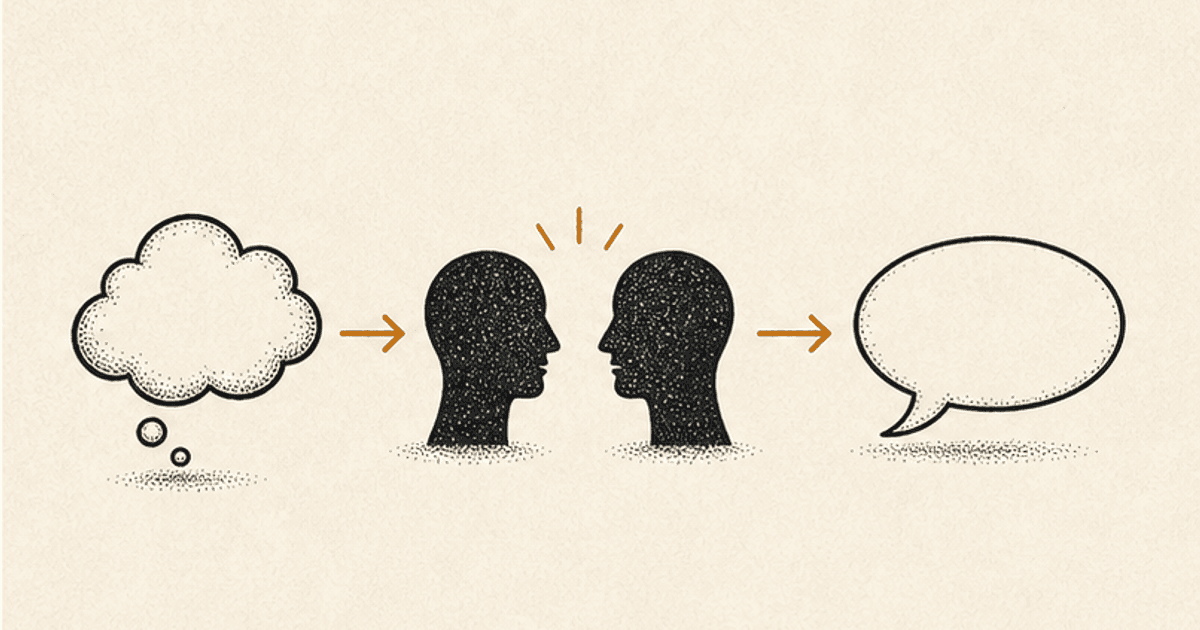
Think-Pair-Share for ESL: The Scaffolding Technique That Gets Everyone Talking
Think-Pair-Share is one of the most researched scaffolding techniques in education. Here's how it works in an ESL speaking class.

What to Do When Your ESL Lesson Plan Falls Apart: A Speaking Activity Rescue Kit
The tech fails. The worksheet is missing. The class finishes early. Here's what to do.

Conversation Topics That Actually Interest Adult ESL Learners
Stop asking adults about their hobbies. Here's what they actually want to talk about.

What to Do When ESL Students Run Out of Things to Say
The awkward silence mid-activity isn't a failure - it's a signal. Here's how to fix it.

How to Make Speaking Practice Less Terrifying for Shy Students
Practical strategies to lower the affective filter and get even the quietest students talking.

Why Random Grouping Beats Teacher-Assigned Pairs
The research - and the practical case - for letting an algorithm decide who works with whom.

IELTS Speaking Questions About Social Media: 45 Questions Across All Three Parts
Social media is one of the most tested IELTS topics. Here are 45 questions covering all three parts with teaching notes.
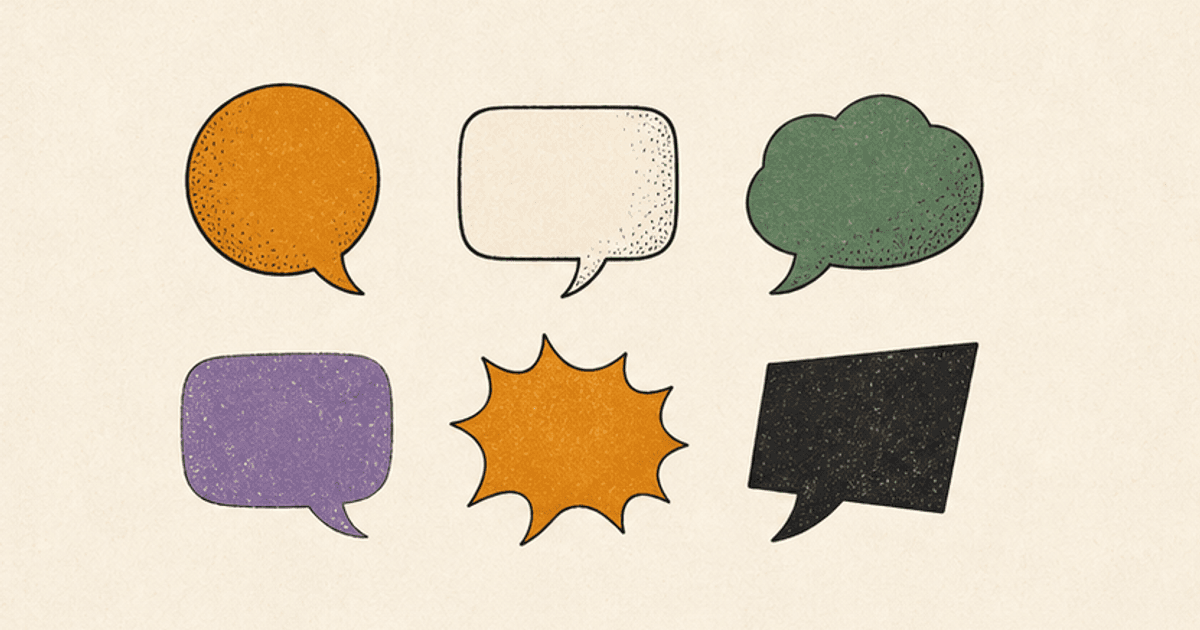
6 Speaking Modes Every ESL Teacher Should Have in Their Toolkit
Different speaking goals require different formats. Here are the six modes that cover almost every classroom speaking need.

The Alibi Game: A Murder Mystery Speaking Activity for ESL Classes
One of the most reliably engaging ESL speaking activities ever invented. Here's how to run it properly.

Cambridge B1 Preliminary (PET) Speaking Practice: Classroom Activities for Every Part
The Cambridge B1 Preliminary speaking test has four parts with specific requirements. Here's how to prepare students efficiently in class.

The Conversation Class Lesson Plan Template That Works Every Time
A reusable lesson plan structure for conversation classes that gives students maximum speaking time with minimum teacher preparation.

Current Events in the ESL Classroom: How to Turn News into Discussion
News-based discussion has a problem: it's either boring or genuinely upsetting. Here's how to use current events well.

Free Conversation vs. Structured Speaking: Finding the Right Balance
Too much structure kills conversation. Too little produces silence or L1. Here's where the balance is.

The Hot Seat Game: How to Use It for Vocabulary and Speaking Practice
The hot seat is one of the most versatile activities in ESL. Here's how to use it for vocabulary, role play, and discussion at every level.

The 1-Minute Prep Timer Trick That Transforms IELTS Part 2 Practice
Most IELTS students waste their preparation minute. Here's exactly what they should be doing with it - and how to train them.

Common IELTS Speaking Mistakes and How Classroom Practice Prevents Them
Most IELTS speaking errors are predictable and preventable. Here's what candidates get wrong - and what to practise instead.

Why Pair Practice Beats Solo Prep for IELTS Speaking (and How to Do It)
Most IELTS students prepare alone. The research on what actually improves speaking scores points somewhere different.

IELTS Speaking Band Descriptors Explained: What Examiners Actually Look For
The four IELTS Speaking band descriptors are publicly available but widely misunderstood. Here's what each one actually means in practice.

IELTS Speaking Questions About Education and Learning: 50 Practice Questions
Education is one of the most reliably tested IELTS speaking topics. Here are 50 questions covering all three parts.

IELTS Speaking Questions About the Environment: 50 Questions Across All Three Parts
The environment is one of the most frequently tested IELTS speaking topics. Here are 50 questions across Parts 1, 2, and 3.

IELTS Speaking Questions About Technology: 50 Practice Questions Across All Three Parts
Technology questions appear in IELTS speaking every exam season. Here are 50 levelled questions for Parts 1, 2, and 3.

IELTS Speaking Questions About Work, Careers, and Ambition: 50 Practice Questions
Work and careers is one of the most consistently tested IELTS speaking topics. Here are 50 questions across Parts 1, 2, and 3.

Mid-Lesson Energizer Activities That Reset Student Focus for ESL Speaking
Energy drops mid-lesson are predictable. Here are 10 activities that reset focus in under three minutes without derailing the lesson.

Picture Description Activities for ESL Speaking Practice
Pictures are one of the most versatile speaking triggers in ESL. Here's how to use them for more than just describing what you see.

How to Prepare Students for Any English Speaking Exam Using Pair Practice
IELTS, Cambridge, TOEFL, OET - the exams differ in format but share the same underlying skills. Here's the universal preparation framework.

Structured vs Free Conversation: Which Helps Anxious Speakers More?
Anxious students need more structure, not less. But not all structure helps equally. Here's what the research shows.
TOEFL Speaking Practice Activities for the Classroom
TOEFL Speaking has a very specific format that most classrooms don't practise directly. Here's how to change that.

Visual Prompts for Speaking: Using Images to Spark Richer Conversation
Images do something text prompts don't: they invite interpretation rather than demanding knowledge. Here's how to use visuals as speaking triggers.

50 ESL Discussion Questions About Sports and Competition
Sports questions generate strong opinions at every level - from favourite teams to ethics of doping.

Agree or Disagree? 40 Opinion Statements That Spark ESL Conversations
Opinion statements produce stronger speaking than questions do. Here are 40 that reliably get ESL students taking sides and arguing.

Business English Speaking Activities for Professional Adult Learners
Professional adults need English for specific, high-stakes situations. Here's how to practise them.

Debate Topics for Adult ESL Learners: From Lighthearted to Thought-Provoking
80 debate topics for adult ESL classes, organised from low-stakes warm-ups to serious issues that generate real argument.

How to Teach Students to Disagree Politely in English
Students who can only agree get stuck. Teaching the language of polite disagreement unlocks real conversation.

Non-Threatening Debate: How to Make Arguing in English Fun for Lower Levels
Lower-level students avoid debate because it feels too risky. These formats make argument accessible and genuinely enjoyable.
Open-Ended Speaking Tasks: The Key to Differentiation Without Extra Prep
The best differentiation tool isn't multiple worksheets. It's one question that every student can answer differently.

Scaffolding Speaking for Lower-Level Students in a Multi-Level Class
Lower-level students don't need easier topics. They need better structural support. Here's what that looks like.

Speaking Activities for B1 Intermediate Students: Challenging but Achievable
B1 is where students can finally say most of what they want to say. These activities push them to say it better.

Speaking Activities for B2 Upper-Intermediate Students: Challenging but Achievable
B2 is where students become genuinely interesting to talk to. Here's how to keep them developing rather than plateauing.
Speed Conversation Activities: The ESL Speed Dating Format That Students Love
Rapid partner rotation, short timed conversations, maximum speaking time. Here's how to run it.

Storytelling Activities That Build Speaking Skills Through Narrative
Narrative is how humans naturally organise and communicate experience. These activities use that instinct for language practice.
Timed Debates: Why a Countdown Timer Makes Classroom Debates Better
An untimed debate is just an argument. A timed one is a speaking activity. Here's what the timer does and how to use it.

Would You Rather Questions for ESL: 100+ Questions Organised by Level
The simplest speaking warm-up format that works at every level. Over 100 questions ready to use.

50 ESL Discussion Questions About Education and Learning
School, university, lifelong learning - questions that hit close to home for every student.

50 ESL Discussion Questions About the Environment and Sustainability
From 'Do you recycle?' to 'Can capitalism solve climate change?' — questions for every level.
100 ESL Debate Topics Organized by Level and Theme
Classroom-ready debate motions from lighthearted to thought-provoking — for every level.
50 ESL Discussion Questions About Artificial Intelligence (A2-C1)
Level-appropriate AI discussion questions that get every student talking, from A2 beginners to C1 advanced.

Debate Topics for Teenagers That Actually Get Them Arguing (in English)
Teenagers won't debate topics they find irrelevant. Here are 60 topics calibrated to what they actually care about.
50 ESL Discussion Questions About Crime, Justice, and Law
Crime and justice questions generate strong opinions at every level - from personal safety to systemic ethics.

50 ESL Discussion Questions About Technology and Digital Life
Technology questions that spark strong opinions at every level, from screen time to AI ethics.

50 ESL Discussion Questions About Health, Fitness, and Wellbeing
Physical health, mental health, and everything in between - levelled from A2 to C1.

50 ESL Discussion Questions About Relationships and Family
Friendships, family dynamics, and modern relationships - questions for every level.

50 ESL Discussion Questions About Work, Money, and Success
Career ambitions, financial habits, and what success really means - levelled from A2 to C1.

50 ESL Discussion Questions About Food, Cooking, and Eating Habits
The topic everyone has something to say about — levelled from A2 to C1.

50 ESL Discussion Questions About Travel, Culture, and Adventure
From weekend trips to life-changing journeys — travel questions for every level.

50 ESL Discussion Questions About Social Media and Digital Life
Level-appropriate questions about the topic your students already have strong opinions on.
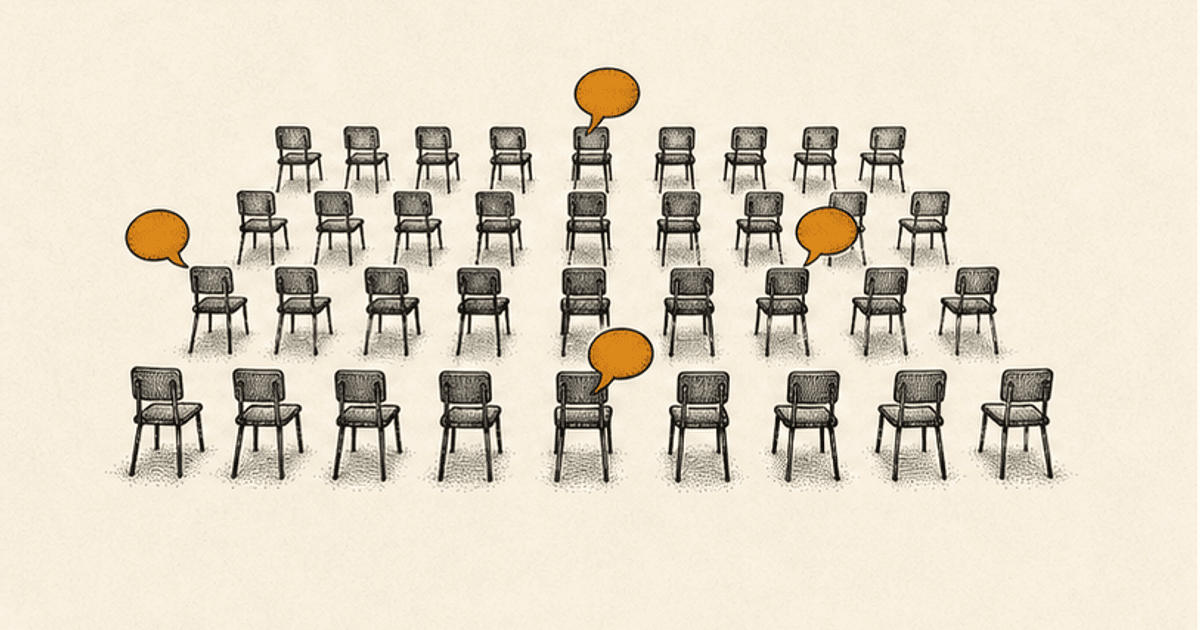
How to Run Speaking Practice with a Large Class
Practical strategies for running effective speaking activities when you have 25+ students and limited time.

50 ESL Discussion Questions About the Future and What's Coming
Future questions generate genuine speculation and opinion at every level - from personal plans to civilisational predictions.

50 ESL Discussion Questions About Cities, Urban Life, and Where We Live
Urban life questions get every student talking: everyone has direct experience of where they live, and strong opinions about it.

50 ESL Discussion Questions About Culture, Identity, and Belonging
Culture and identity questions are among the most personally resonant in ESL speaking - when handled carefully, they generate the richest conversations.

50 ESL Discussion Questions About Money, Finance, and Economic Life
Money is one of the most universally motivating discussion topics. Here are 50 questions from personal budgeting to global economics.

Controversial but Classroom-Safe Discussion Topics for ESL Students
The best discussion topics create real disagreement. Here's how to find the sweet spot between boring and genuinely problematic.

50 ESL Discussion Questions About Entertainment, Music, and Movies
Films, shows, music, games: the topics ESL students never stop talking about.