Blog
Teaching tips, speaking practice ideas, and updates from the YapYapGo team.

Is Gamification Good for ESL Speaking? The Case for Doing It Right
What the research actually says about gamification in language learning, and why most gamified ESL tools still fail at building speaking.

Why Classroom Pair Practice Still Beats AI Chatbots for Building Real Fluency
AI speaking tools are impressive. But the research on what builds fluency points consistently to something they can't replicate.

Why Your Best Students Still Ask for Real Conversation Partners
Students with unlimited AI access still ask for human partners. The reasons say something about motivation and what fluency really requires.

Why the Best Speaking Activities Are Often the Simplest
The research on what drives speaking development points consistently toward one answer: volume of practice. And volume favours simple.

Reducing Teacher Talking Time: How to Make Your Classroom Student-Centred
You're probably talking for 70% of the lesson. Here's how to flip that ratio - and why it matters.

How AI Is Changing ESL Speaking Practice (and What It Can't Replace)
AI tools are transforming lesson planning — but the classroom still needs something they can't provide.

Timed Speaking Activities That Build Fluency Under Pressure
Why a countdown timer is one of the most powerful fluency tools in your classroom.

Your Students Aren't Speaking Enough
The research on student speaking time is sobering - but the fix is simpler than you think.

Why Learning a Language Is a Team Sport (Not a Solo Game)
You can study a language alone but you cannot acquire it alone. Why solo apps and AI tutors miss the social engine that drives fluency.
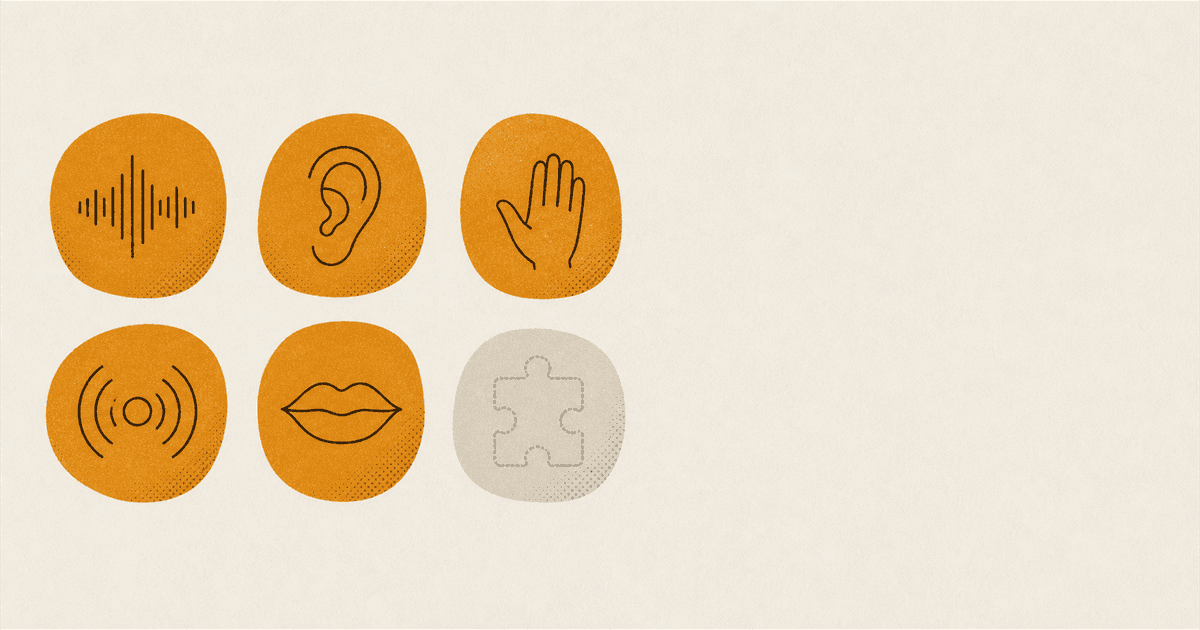
What Speaking English Actually Means (And Why AI Misses Half of It)
Speaking English is six skills, not one. Production, comprehension, repair, register, nonverbal cues, intercultural sense. AI handles one.

Communicative Language Teaching in 2026: What's Changed and What Still Works
CLT has been the dominant framework in ELT for 40 years. Here's an honest look at what it gets right - and where it needs updating.

ESL Speaking Assessment: Rubrics, Tests, and Practical Evaluation Ideas
Assessing speaking is the hardest skill to evaluate fairly. Here's a practical framework that actually works in real classrooms.

Foreign Language Anxiety: What It Is and How Speaking Practice Reduces It
About a third of ESL learners experience anxiety that impairs speaking. The research tells us why - and what helps.

Peer Assessment for Speaking: How Students Can Evaluate Each Other Effectively
Peer assessment in speaking classes does more than save marking time. Done right, it builds better speakers.
AI Can Speak, But It Can't Listen the Way a Classmate Can
Conversation is half listening. AI tutors parse tokens; classmates listen for confusion, hesitation, and meaning - the listening that drives acquisition.

The Predictability Trap: Why AI Conversations Don't Build Real Fluency
AI conversations are too predictable. Real fluency is the skill of handling the unexpected, and only real conversation trains it.

Why ESL Students Need More Accents Than an AI Can Offer
AI voice tools flatten English to a standard register. Real classrooms model accents AI doesn't, and that's the listening exposure students actually need.
Slang, Idioms, and Why Real Conversation Beats AI Practice
AI tutors lag months or years behind real spoken English. Classmates trade live slang and idioms that LLMs deliberately neutralise. Here's why it matters.

Team Competition and Willingness to Communicate: The ESL Research
What the Willingness to Communicate research says about quiet ESL students, and why team-based gamification gets them speaking where solo practice can't.

Building a Speaking-Centred Curriculum: A Framework for Programme Design
Most language programmes are grammar-centred with speaking activities added in. Here's how to build a curriculum where speaking is the spine.

Formative Assessment of Speaking: Quick Techniques That Don't Disrupt Class Flow
Assessing speaking formatively means gathering information during lessons without turning every activity into a test.

Inclusive Speaking Activities for Neurodivergent ESL Learners
Neurodivergent learners have specific challenges in speaking classes that standard accommodations often miss. Here's a more targeted approach.
Pronunciation Teaching in 2026: Intelligibility vs Native-Speaker Norms
The goal of pronunciation teaching has shifted. Here's what the research now supports - and what to stop spending time on.

Student Agency in Speaking Practice: Letting Learners Choose How They Talk
When students have some control over their speaking practice, motivation and output both increase. Here's how to build agency without losing structure.

The Case for More Speaking Practice (and Less Grammar Instruction) in ESL Classes
Most ESL syllabuses allocate more time to grammar instruction than the research supports. Here's why - and what to do instead.

Translanguaging in Speaking Activities: When and How to Allow L1 Use
The 'English only' rule in ESL speaking activities is well-intentioned but not always pedagogically sound. Here's a more nuanced position.

The Wellbeing Connection: How Low-Pressure Speaking Practice Reduces Burnout
High-stakes speaking activities are stressful for students and exhausting for teachers. Here's why lower-pressure formats benefit everyone.

What ELT Research Says About the Best Way to Improve Speaking Skills
Decades of research into speaking development point to a consistent set of findings. Here's what they are and what they mean for your classroom.

What to Listen For: A Teacher's Checklist for Monitoring Speaking Activities
Circulating during pair work is only useful if you know what you're listening for. Here's a practical checklist across five dimensions.

Fluency vs. Accuracy: When to Correct and When to Let Students Talk
One of the oldest debates in language teaching - and the research has a surprisingly clear answer.

How to Measure Fluency Progress in Your ESL Students
Fluency is not just 'speaking smoothly.' Here's how researchers measure it - and what teachers can realistically track.

Task-Based Language Teaching for Speaking: Activities That Create Real Communication
TBLT is the most research-supported approach to developing speaking skills. Here's what it actually looks like in a speaking class.

How Global Englishes Changes What We Teach in Speaking Class
English is no longer 'owned' by native speakers. Here's what that means for how we teach speaking - and what we still get wrong.

The 4/3/2 Technique: The Research-Backed Fluency Activity Every Teacher Should Know
One technique. Three repetitions. Measurable fluency gains. Here's how it works and why.