Blog
Teaching tips, speaking practice ideas, and updates from the YapYapGo team.

The 70/30 Rule: Balancing Game Time and Speaking Time in ESL
A simple session-design rule that keeps gamified ESL lessons from drifting into screen-watching: 70 percent speaking, 30 percent game layer.

Best Apps and Tools for ESL Speaking Practice in 2026
An honest look at what's out there — and the gap no one has filled until now.

The ESL EdTech Audit: How to Tell If Your Tools Actually Build Speaking
A seven-point audit for every tool in your ESL EdTech stack. Score each one and you'll see which ones build speaking and which ones just feel like they do.

Low-Prep Speaking Activities for the Overworked ESL Teacher
When you're teaching 25 hours a week, every minute of prep time counts. These activities respect that.
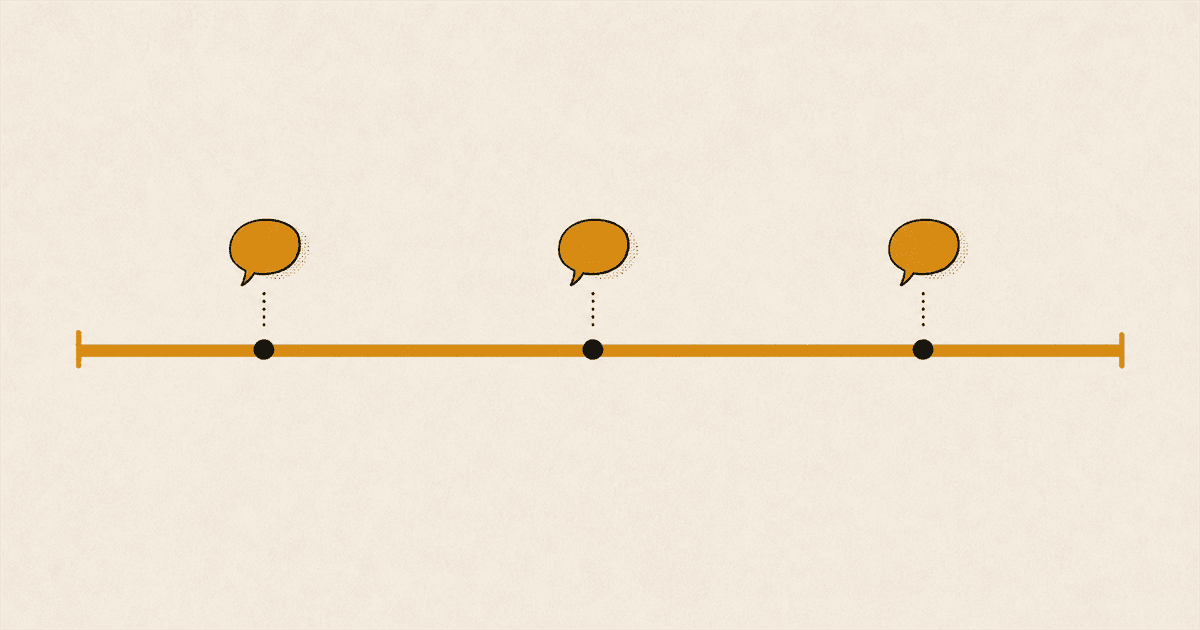
A Gamified ESL Lesson Plan: 60 Minutes with Fun Mode
A minute-by-minute 60-minute ESL speaking lesson plan that hits the 70/30 speaking-to-game ratio using YapYapGo Fun Mode.

25 Zero-Prep ESL Speaking Activities You Can Use Tomorrow
No photocopies, no materials, no planning. Just walk in and get students talking.

From Whisper to Confidence: Building Speaking Skills in Introverted Learners
Introverted students don't need to become extroverts. They need speaking conditions designed for how they actually process and communicate.

Why Some Students Refuse to Speak English (and What to Do About It)
Refusal to speak is rarely wilful. Understanding the real reasons is the starting point for actually changing the situation.

CEFR Levels Explained: Choosing the Right Speaking Activities for A2 to C1
What A2, B1, B2, and C1 actually mean in practice - and which speaking activities work at each level.

How to Challenge Advanced Speakers Without Leaving Beginners Behind
The multi-level classroom paradox: one activity can't be too easy and too hard at the same time. Or can it?
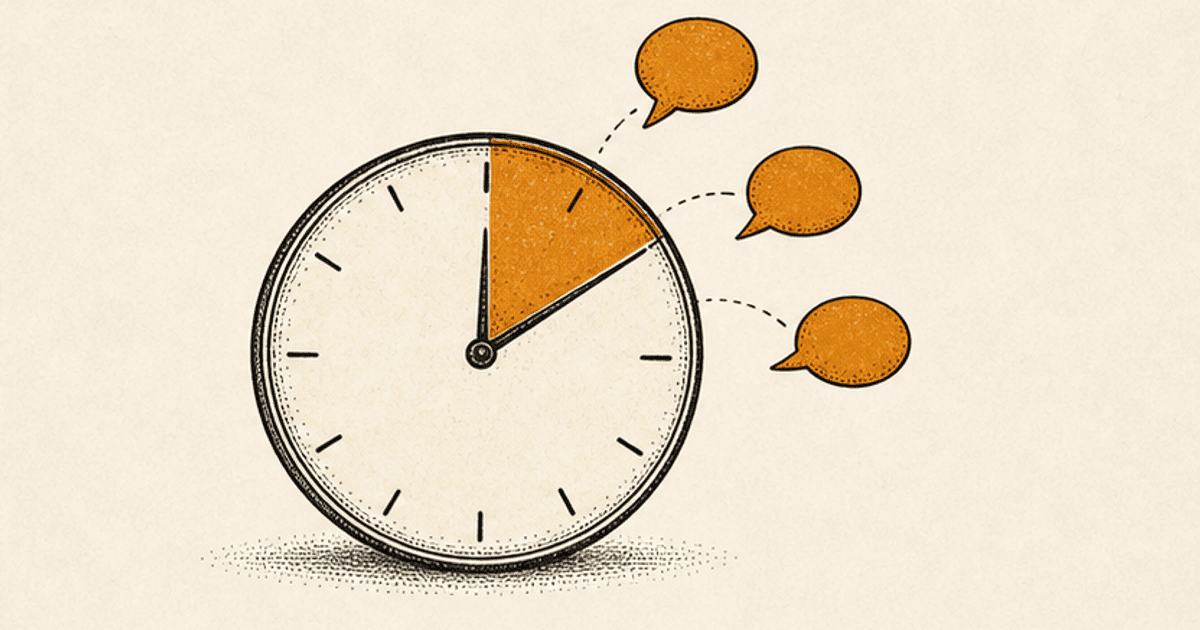
5-Minute Speaking Warm-Ups That Require Absolutely No Preparation
Twenty warm-ups you can start with today — no materials, no planning, just instant speaking practice.

The Silent Student Problem: Practical Strategies That Actually Work
When students won't speak, it's not defiance — it's a signal. Here's how to read it and respond.

How to Run a Full Conversation Class with Zero Preparation
A complete lesson format that works every time — no photocopies, no planning, no stress.

The Emergency ESL Lesson Plan: 10 Speaking Activities When You Have Zero Prep Time
For the days when life happens and you need a lesson that works in five minutes flat.

Speaking Activities for Online ESL Classes: What Works on Zoom and What Doesn't
Online speaking classes have specific constraints that make some activities better and others worse. Here's what actually works.

How to Create a Safe Space for Speaking Practice in Your ESL Classroom
Safety in a language classroom means removing threats that prevent students from taking the risks learning requires.

How to Teach Speaking Skills: A Practical Guide for New ESL Teachers
Speaking is the skill new teachers find hardest to teach well. This guide covers everything you actually need to know.

Open Pairs vs Closed Pairs in ESL: When to Use Each Format
Open pairs and closed pairs feel similar but produce very different speaking practice. Here's how to choose between them.

Teaching Students to Ask Better Questions: A Neglected Speaking Skill
ESL classes spend enormous effort on speaking. Very little goes into the other half of conversation: asking questions well.

How to Use Countdown Timers to Boost ESL Speaking Fluency
A visible classroom timer does more than mark time. Used correctly, it's one of the most effective fluency tools you have.

How to Structure a Conversation Class That Doesn't Devolve into Chaos
Too much freedom kills conversation classes. Here's the structure that gives students enough to talk without turning it into a teacher-led lesson.

Think-Pair-Share for ESL: The Scaffolding Technique That Gets Everyone Talking
Think-Pair-Share is one of the most researched scaffolding techniques in education. Here's how it works in an ESL speaking class.

What to Do When Your ESL Lesson Plan Falls Apart: A Speaking Activity Rescue Kit
The tech fails. The worksheet is missing. The class finishes early. Here's what to do.

Conversation Topics That Actually Interest Adult ESL Learners
Stop asking adults about their hobbies. Here's what they actually want to talk about.

What to Do When ESL Students Run Out of Things to Say
The awkward silence mid-activity isn't a failure - it's a signal. Here's how to fix it.

How to Make Speaking Practice Less Terrifying for Shy Students
Practical strategies to lower the affective filter and get even the quietest students talking.

6 Speaking Modes Every ESL Teacher Should Have in Their Toolkit
Different speaking goals require different formats. Here are the six modes that cover almost every classroom speaking need.

The Conversation Class Lesson Plan Template That Works Every Time
A reusable lesson plan structure for conversation classes that gives students maximum speaking time with minimum teacher preparation.

Current Events in the ESL Classroom: How to Turn News into Discussion
News-based discussion has a problem: it's either boring or genuinely upsetting. Here's how to use current events well.

Free Conversation vs. Structured Speaking: Finding the Right Balance
Too much structure kills conversation. Too little produces silence or L1. Here's where the balance is.

Structured vs Free Conversation: Which Helps Anxious Speakers More?
Anxious students need more structure, not less. But not all structure helps equally. Here's what the research shows.

How to Teach Students to Disagree Politely in English
Students who can only agree get stuck. Teaching the language of polite disagreement unlocks real conversation.

Open-Ended Speaking Tasks: The Key to Differentiation Without Extra Prep
The best differentiation tool isn't multiple worksheets. It's one question that every student can answer differently.

Scaffolding Speaking for Lower-Level Students in a Multi-Level Class
Lower-level students don't need easier topics. They need better structural support. Here's what that looks like.
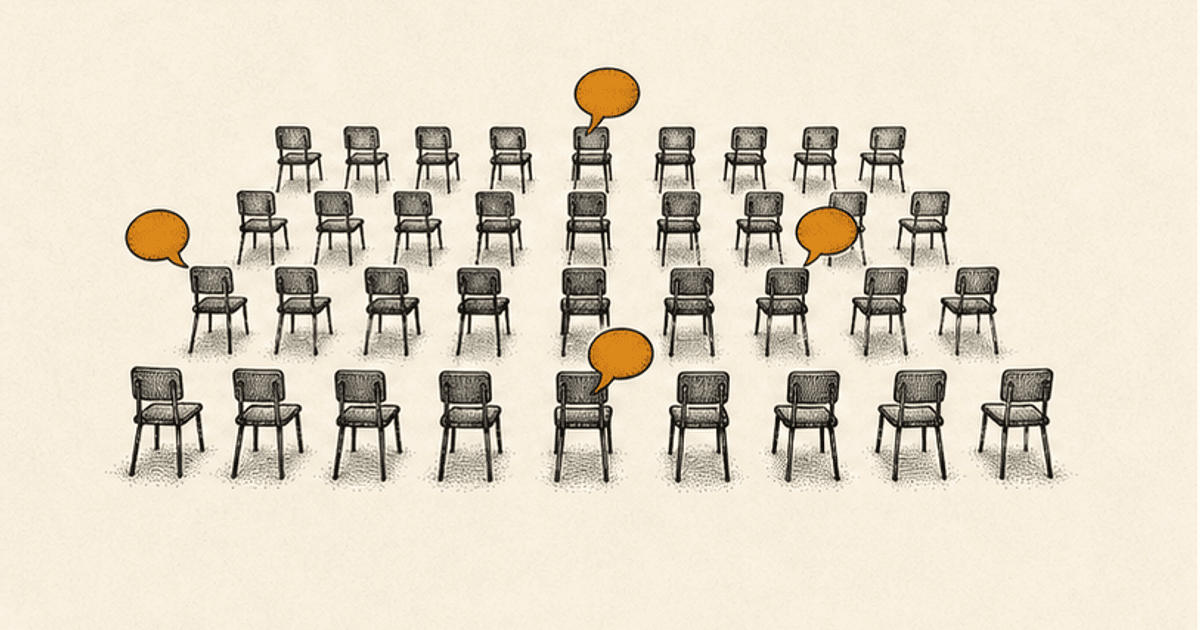
How to Run Speaking Practice with a Large Class
Practical strategies for running effective speaking activities when you have 25+ students and limited time.